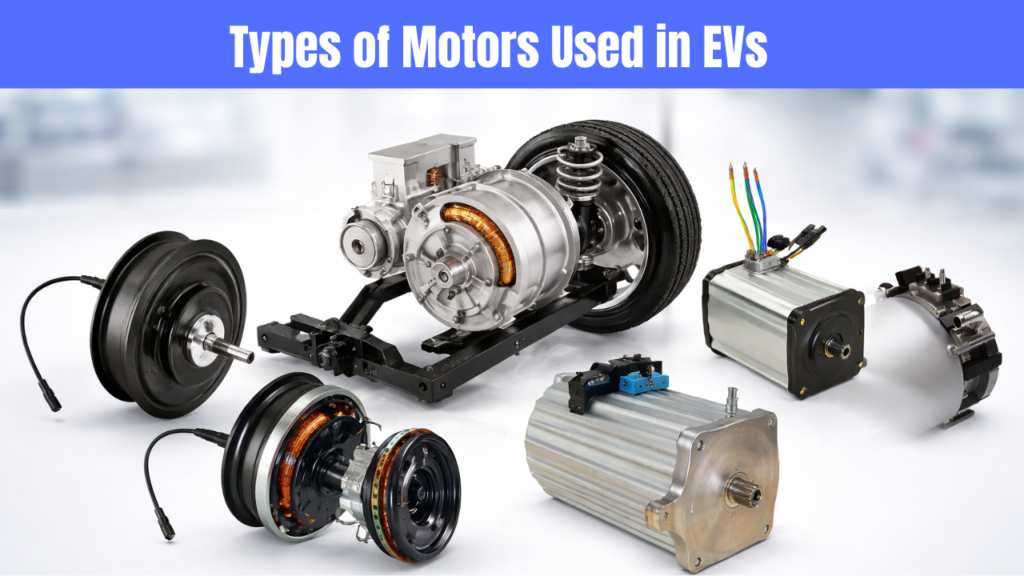
Electric vehicles depend completely on electric motors to convert electrical energy into motion. The choice of motor directly affects efficiency, cost, performance, and driving experience. Different manufacturers select different motors based on vehicle type, power requirement, and budget. Below are the main types of motors commonly used in electric vehicles, explained in a clear and practical way.
Types of Motors Used in EVs
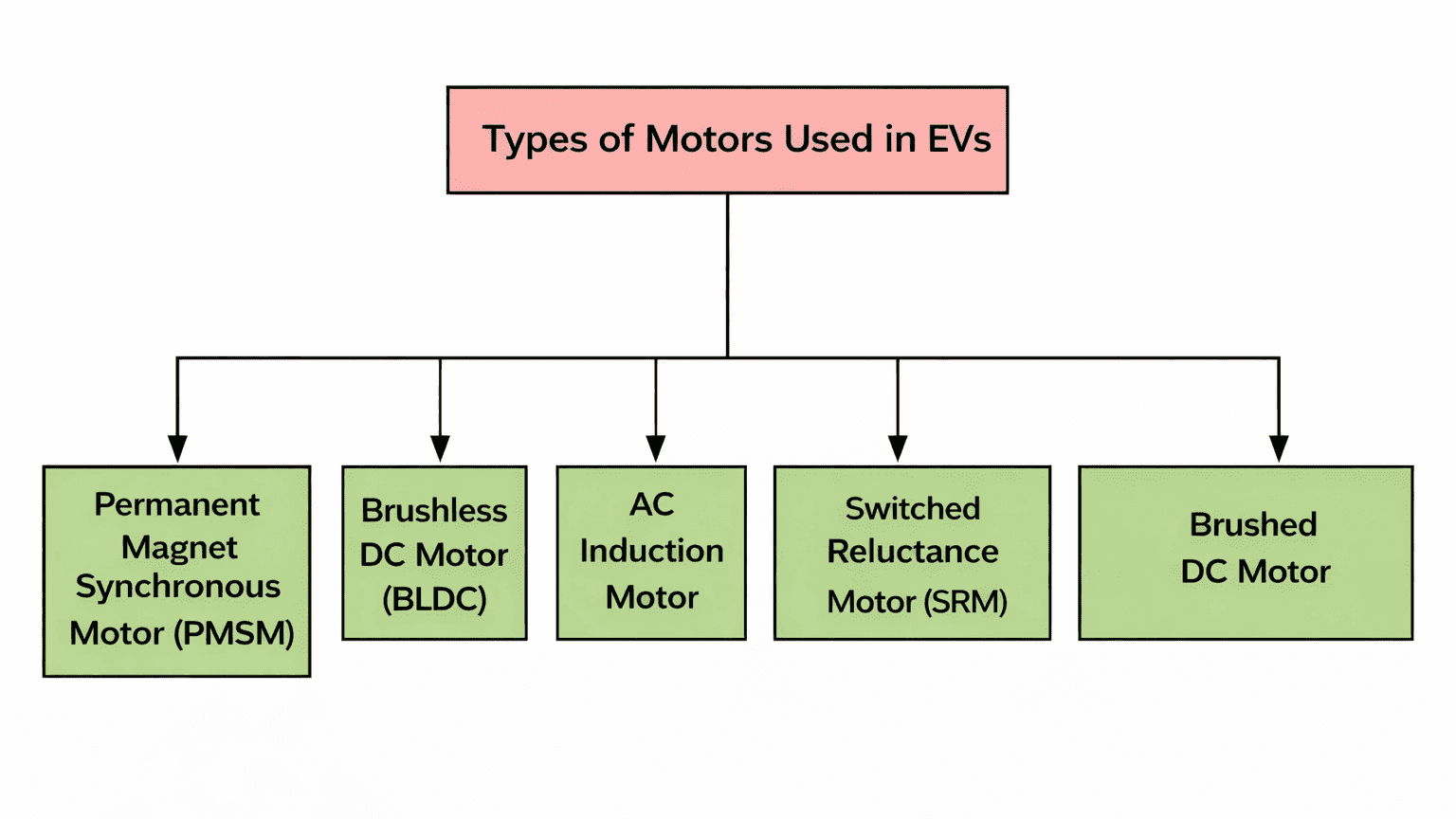
Permanent Magnet Synchronous Motor (PMSM)
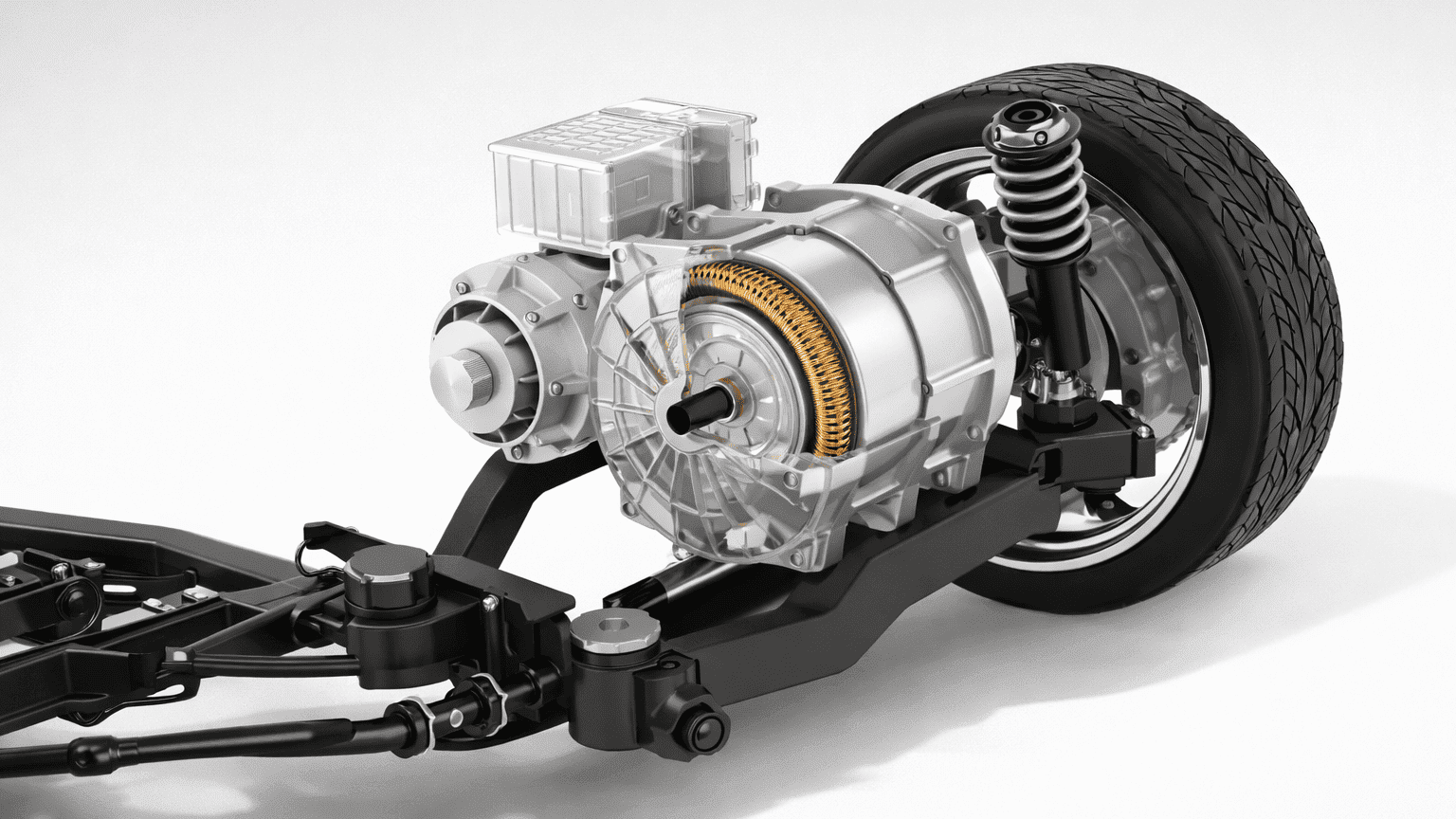
Permanent Magnet Synchronous Motors are currently the most widely used motors in modern high performance electric vehicles. These motors use permanent magnets mounted on the rotor to produce a constant magnetic field. This allows precise torque control, smooth acceleration, and very high efficiency.
PMSMs offer high power density, meaning more power can be produced from a smaller and lighter motor. This makes them ideal for passenger cars where efficiency, range, and driving comfort are critical. Their main drawback is higher cost due to the use of rare earth magnets.
Typical usage : High performance passenger EVs and premium electric cars.
Brushless DC Motor (BLDC)
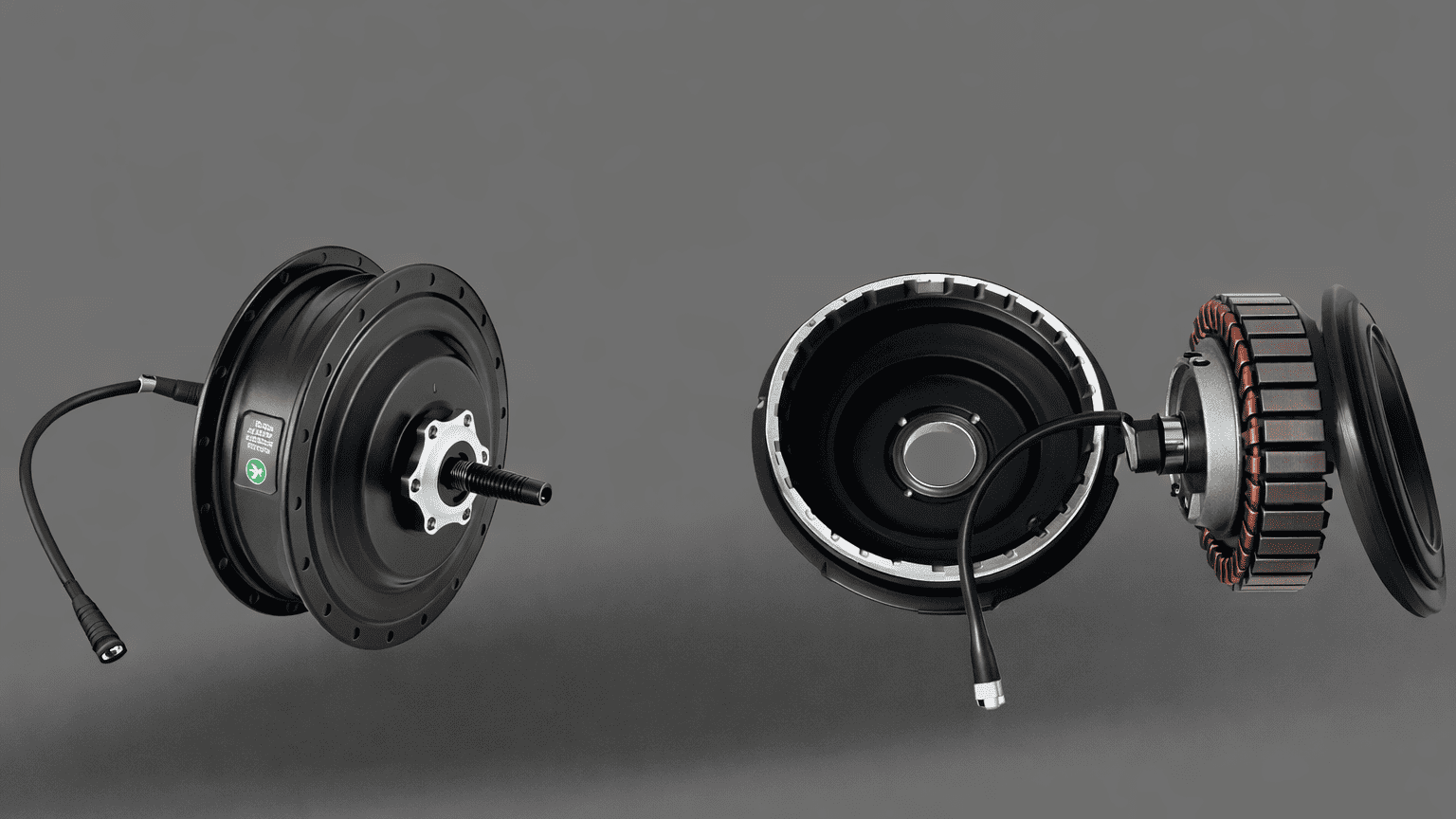
Brushless DC motors are closely related to PMSMs but differ mainly in their control and back EMF waveform. BLDC motors produce trapezoidal back EMF, while PMSMs produce sinusoidal back EMF. Despite this difference, BLDC motors are highly efficient, compact, and require very little maintenance.
They provide high torque at low speeds, which is especially useful for quick starts and stop and go city driving. Due to their smaller size and lower cost compared to PMSMs, BLDC motors are widely used in lightweight electric vehicles.
Typical usage : Electric scooters, electric bikes, and electric two wheelers.
AC Induction Motor
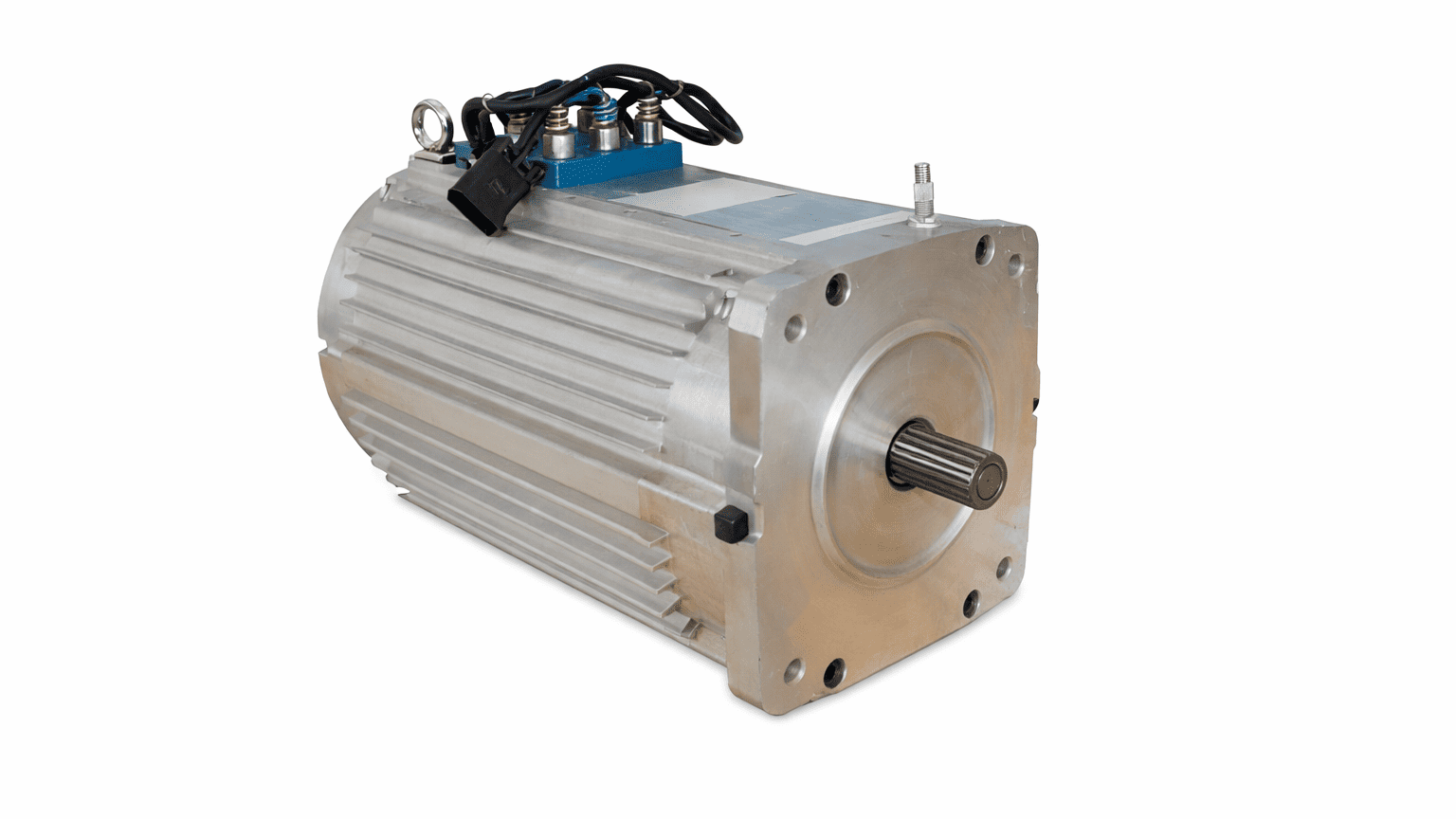
AC induction motors are known for their robustness and long service life. Unlike PMSMs and BLDC motors, they do not use permanent magnets. Instead, torque is produced through electromagnetic induction between the stator and rotor.
These motors are highly durable and can operate reliably at high speeds and under harsh conditions. They are generally more cost effective because they avoid the use of rare earth materials. With modern control techniques, induction motors can deliver strong acceleration and smooth performance, making them suitable for high performance electric vehicles.
Typical usage : Performance oriented electric cars and earlier premium EV models.
Switched Reluctance Motor (SRM)
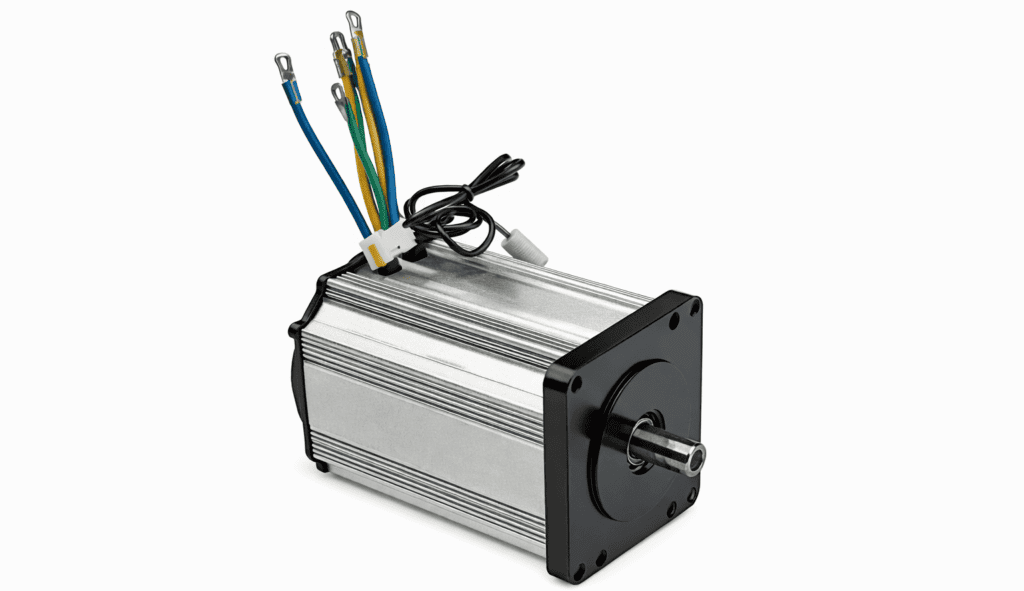
Switched Reluctance Motors have a very simple and rugged construction. The rotor consists only of laminated steel, with no windings or permanent magnets. This results in low rotor inertia, allowing rapid acceleration.
SRMs offer excellent thermal performance since most heat is generated in the stator, which is easier to cool. However, they are noisy and require complex control systems, which has limited their widespread adoption so far.
Typical usage : Selected premium EVs and experimental or emerging EV platforms.
Brushed DC Motor
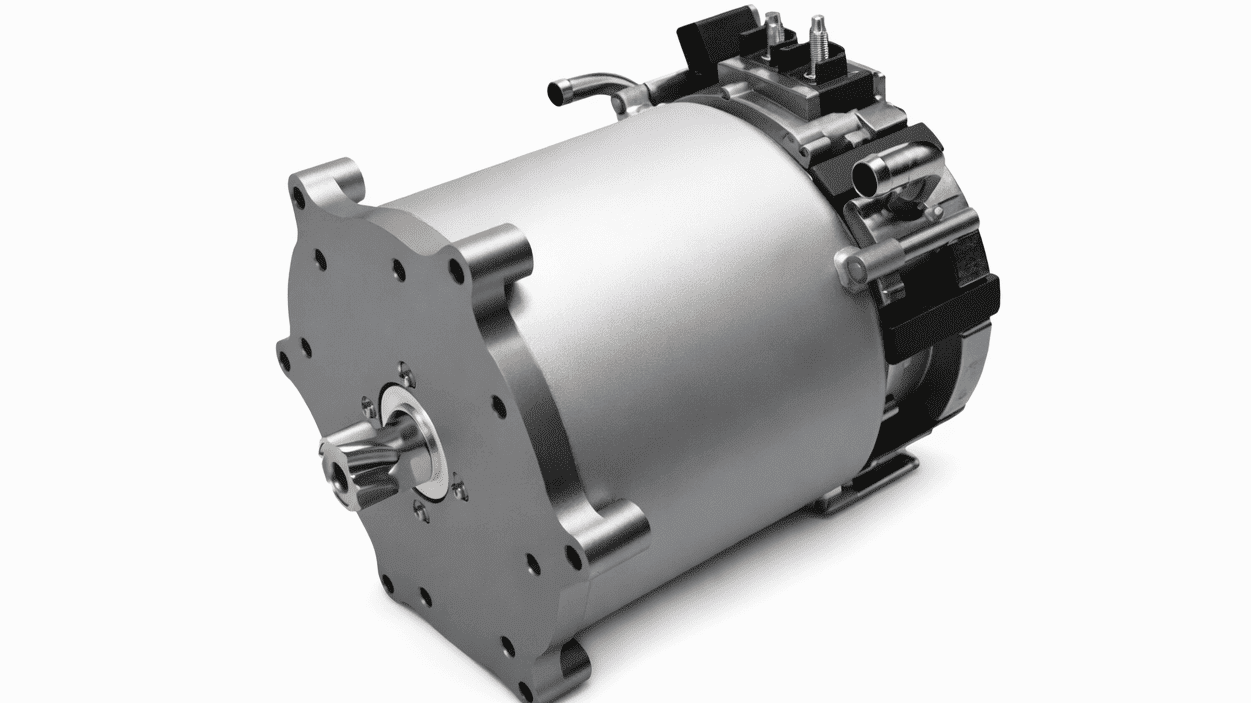
Brushed DC motors were commonly used in early electric vehicle designs because of their high starting torque and simple speed control. However, brushes and commutators wear out over time, leading to high maintenance and reduced efficiency.
Due to these disadvantages, brushed DC motors are now largely obsolete in modern electric vehicles and are only found in very low power or legacy applications.
Typical usage : Older electric vehicles, small utility vehicles, and low power applications.
Selecting the Right Motor for an EV
Selecting the right motor for an electric vehicle depends on several key factors. The type of vehicle plays a major role, since lightweight two wheelers and e bikes usually need compact and cost effective motors, while passenger cars and buses require high power and high efficiency machines. Performance expectations such as acceleration, top speed, and load carrying capacity also influence the choice of motor.
Efficiency is another critical factor, as higher efficiency directly improves driving range and reduces energy losses. Cost considerations include not only the motor itself, but also the controller, cooling system, and long term maintenance. By carefully balancing these factors, manufacturers can choose a motor that delivers the best combination of performance, efficiency, reliability, and affordability for a specific electric vehicle.
- Selecting the Right Motor for an EV
- Vehicle type such as two wheeler, three wheeler, car, or bus
- Required performance including acceleration, speed, and load capacity
- Efficiency needs to maximize driving range
- Overall system cost including motor, controller, and maintenance
- Size and weight constraints of the vehicle
- Reliability and operating conditions