What is MCB (Miniature Circuit Breaker)?
A Miniature Circuit Breaker (MCB) is an automatic electrical protection device used in low voltage electrical systems. It protects electrical circuits from damage caused by overload current and short circuits. When the current flowing through the circuit exceeds the safe limit, the MCB automatically trips and disconnects the power supply.
MCBs are widely used in residential, commercial, and industrial electrical distribution systems because they provide reliable protection and can be easily reset after a fault.
Types of MCB (Miniature Circuit Breaker)
1. Type B MCB
2. Type C MCB
3. Type D MCB
4. Type K MCB
5. Type Z MCB
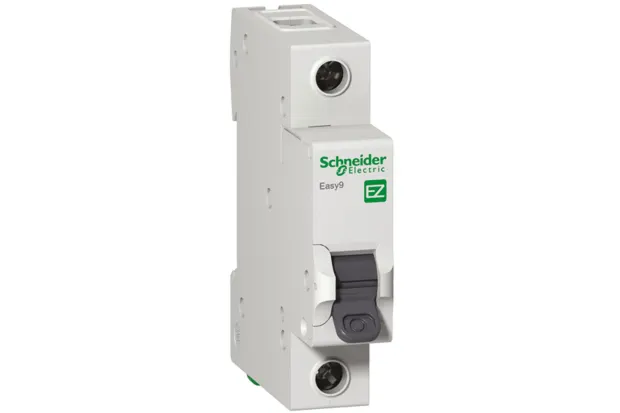
Type B MCB
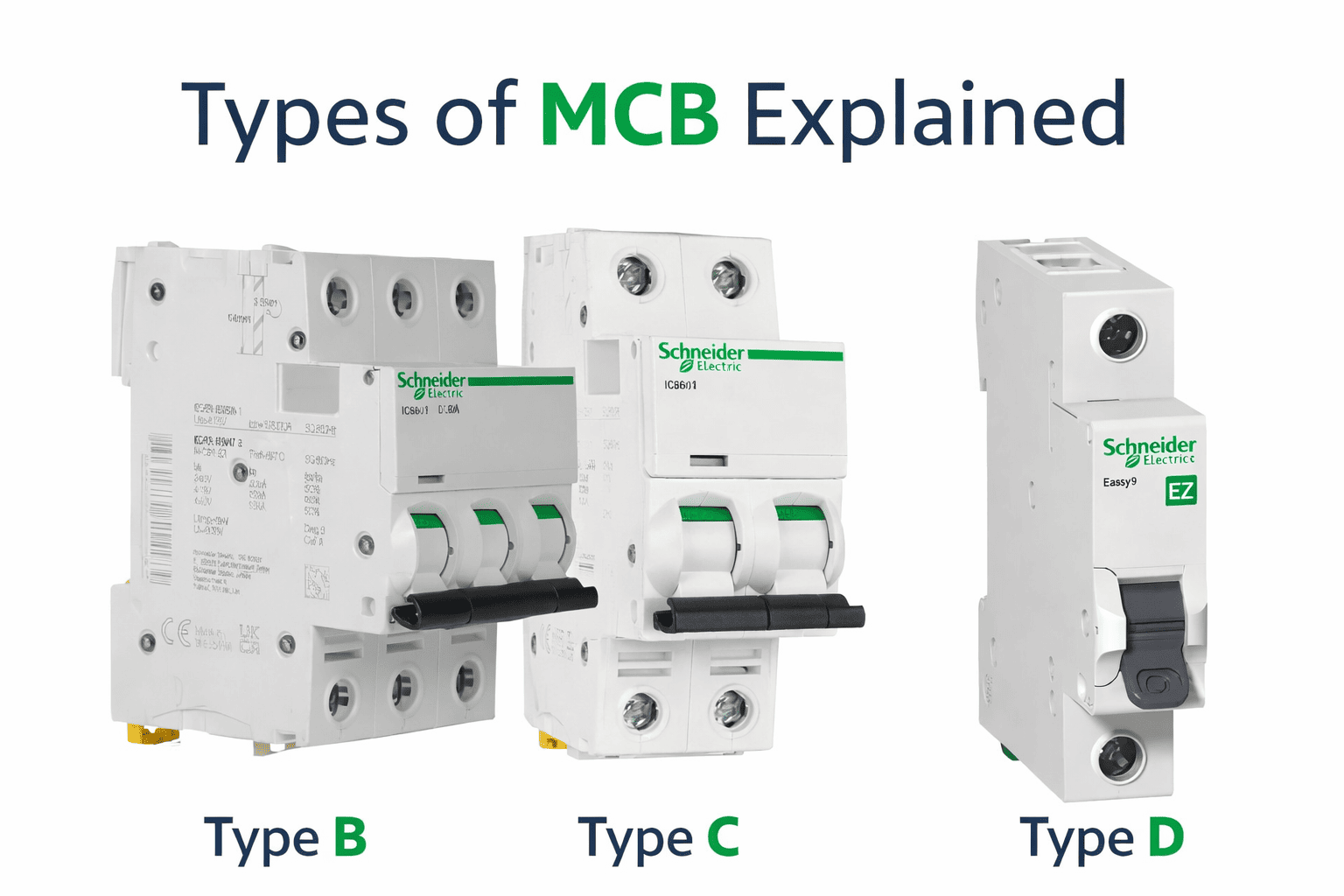
Type B MCB is the most commonly used circuit breaker in domestic and residential installations. It trips when the current reaches about 3 to 5 times the rated current.
This type of breaker is designed for circuits where surge current is very small, such as lighting circuits and household appliances.
Applications: Residential wiring, Lighting systems
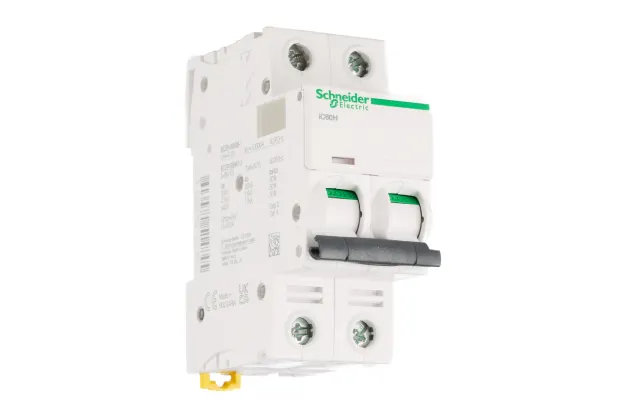
Type C MCB
Type C MCB is used where the circuit contains moderate inductive loads. It trips when the current reaches 5 to 10 times the rated current.
These breakers can tolerate slightly higher starting currents produced by electrical equipment.
Applications:Small motors, Pumps, Air conditioners
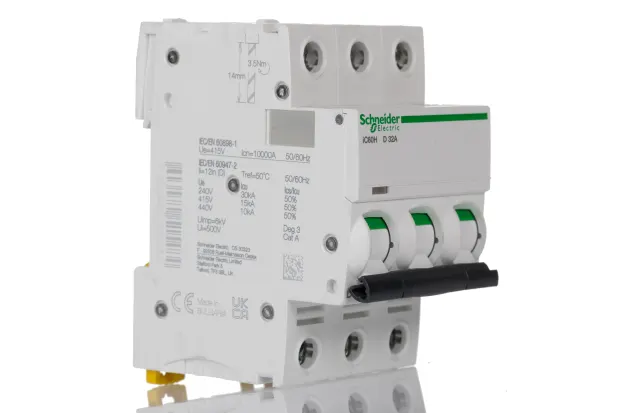
Type D MCB
Type D MCB is designed for circuits with high inrush current. It trips when the current reaches 10 to 20 times the rated current.
These breakers are suitable for equipment that draws a very high starting current during operation.
Applications: Large motors, Transformers, Welding machines
Type K MCB
Type K MCB is mainly used for motor circuits and equipment with high starting currents. It trips at about 8 to 12 times the rated current. This type provides better protection for inductive loads compared to standard breakers.
Applications: Industrial motors, Compressors, Transformers, Heavy duty machinery
Type Z MCB
Type Z MCB is a highly sensitive circuit breaker used for protecting delicate electronic devices. It trips when the current reaches 2 to 3 times the rated current.
Because of its high sensitivity, it quickly disconnects the supply before any damage occurs.
Applications: Semiconductor devices, Sensitive electronic equipment, Medical instruments
Comparison of MCB Types
| Type | Trip Current Range | Typical Use |
|---|---|---|
| Type B | 3 to 5 × rated current | Homes and lighting |
| Type C | 5 to 10 × rated current | Small motors and appliances |
| Type D | 10 to 20 × rated current | Heavy industrial loads |
| Type K | 8 to 12 × rated current | Motor circuits |
| Type Z | 2 to 3 × rated current | Sensitive electronics |
How to Choose the Right MCB
Choosing the correct Miniature Circuit Breaker (MCB) is important for ensuring proper protection of electrical circuits and equipment. The right MCB prevents damage caused by overload, short circuits, and excessive current flow. Several factors should be considered before selecting an MCB for any electrical installation.
1. Rated Current
The rated current of the MCB should match the normal operating current of the circuit. It must be slightly higher than the expected load current but not too high. If the rating is too large, the breaker may fail to trip during an overload condition.
For example, a lighting circuit typically uses 6A or 10A MCB, while power outlets may require 16A or 20A MCB.
2. Type of Load
Different electrical loads produce different starting currents. Therefore, the type of MCB must be selected according to the load characteristics.
1. Type B is suitable for residential loads such as lighting and household appliances.
2. Type C is used for inductive loads like motors, pumps, and air conditioners.
3. Type D is ideal for heavy industrial equipment that produces high inrush current.
3. Breaking Capacity
Breaking capacity refers to the maximum fault current that the MCB can safely interrupt without damage. It is usually expressed in kA (kilo amperes).
For residential installations, a 6kA or 10kA breaking capacity MCB is commonly used.
4. Number of Poles
MCBs are available with different pole configurations depending on the circuit type.
1. Single Pole (SP) for single phase circuits
2. Double Pole (DP) for phase and neutral protection
3. Triple Pole (TP) for three phase circuits
4. Four Pole (TPN) for three phase systems with neutral
5. Voltage Rating
The voltage rating of the MCB must be compatible with the supply voltage of the system. For example, residential systems typically use 230 V single phase, while industrial systems may use 415 V three phase.
6. Standard and Certification
Always choose an MCB that complies with recognized electrical standards such as IEC or IS standards. Certified products ensure reliability, safety, and proper protection.
7. Application Environment
Environmental conditions such as temperature, humidity, and dust levels should also be considered. Industrial environments may require more robust and higher rated MCBs.