Introduction
Electric vehicles are no longer just an alternative, they are becoming the future of transportation. One of the most talked about and rapidly evolving areas in EV technology today is fast charging. As more people shift from petrol and diesel vehicles to electric ones, the need for quicker and more convenient charging solutions has become essential. Fast charging is now at the center of this transformation.
What is Fast Charging?
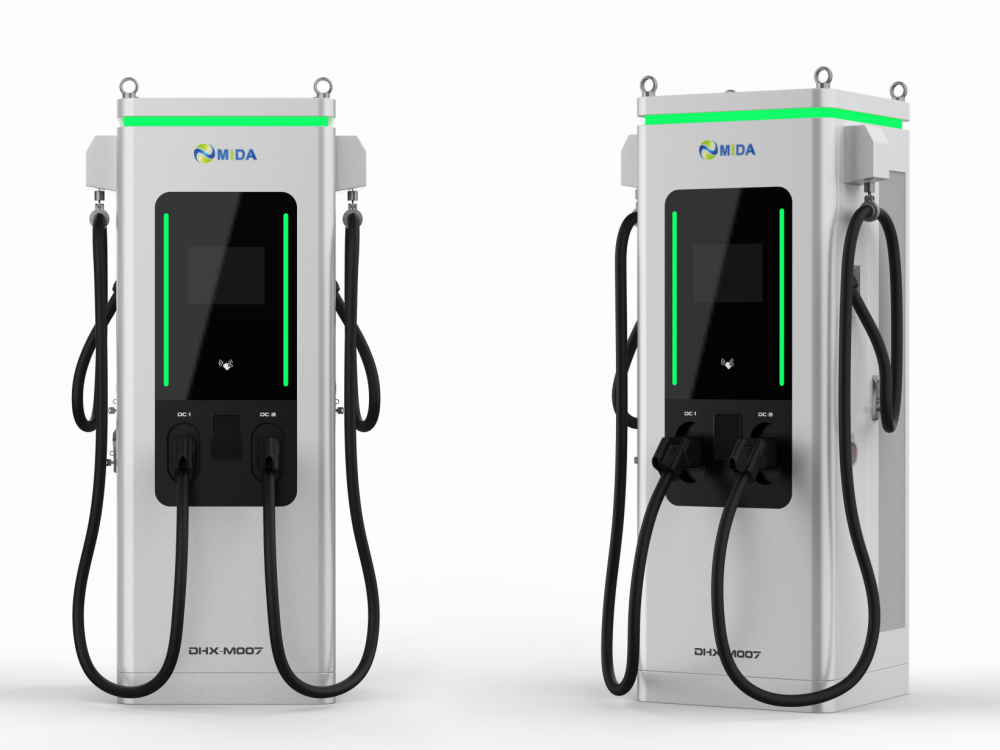
Fast charging refers to the ability to charge an electric vehicle battery in a much shorter time compared to traditional methods. Instead of taking several hours, modern DC fast chargers can charge an EV up to 80 percent in around 20 to 40 minutes, depending on the vehicle and charger capacity.
There are mainly three types of EV charging:
- Slow charging (home charging, takes several hours)
- Moderate charging (Level 2 AC charging)
- Fast charging (DC fast charging, ultra fast charging)
Why Fast Charging is Trending
Fast charging is trending because it directly solves one of the biggest concerns of EV users, which is range anxiety. People worry about running out of battery and not finding a charging station in time. Fast charging reduces this fear by making charging almost as convenient as refueling a petrol vehicle.
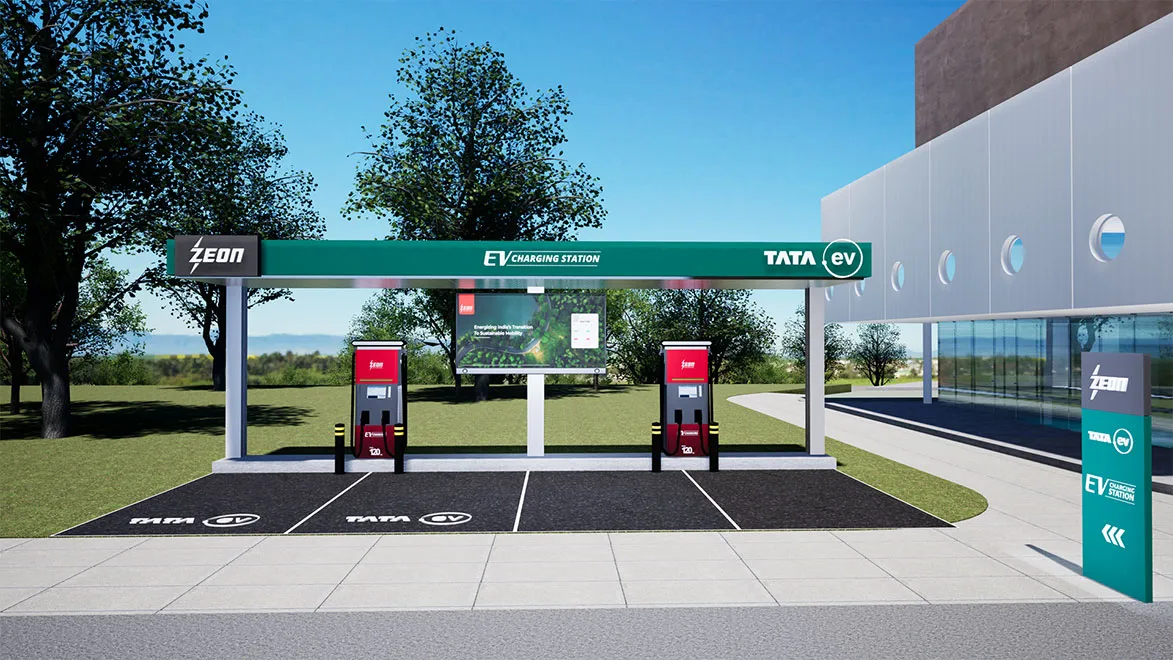
Another reason is the rapid expansion of charging infrastructure, especially in countries like India, where highways and cities are now being equipped with fast charging stations. This is making EVs more practical for long distance travel.
Technology Behind Fast Charging
Fast charging relies heavily on advanced power electronics and battery technology. High power DC chargers bypass the onboard charger and directly supply power to the battery. This significantly reduces charging time.
Modern EVs also use:
- Advanced Battery Management Systems to control temperature and safety
- Liquid cooling systems to prevent overheating
- High capacity lithium ion batteries designed for rapid charging
Challenges of Fast Charging
Despite its advantages, fast charging comes with some challenges:
- Battery degradation: Frequent fast charging can slightly reduce battery life over time
- High infrastructure cost: Installing fast chargers is expensive
- Grid load issues: High power demand can stress electrical grids
Engineers are working on solutions like smart grids and improved battery chemistry to overcome these issues.
Future of Fast Charging
The future of fast charging looks promising. Some upcoming trends include:
- Ultra fast chargers capable of charging in under 15 minutes
- Wireless charging systems embedded in roads
- Solid state batteries with faster charging capability
- Vehicle to Grid systems that allow EVs to supply power back to the grid
These advancements will make EVs even more efficient and convenient.