
Introduction
In overhead transmission and distribution systems, conductors carrying high voltage must be properly supported and electrically isolated from towers, poles, and earth. This function is performed by insulators.
An insulator is a material that offers very high electrical resistance and prevents leakage current from flowing from the conductor to the supporting structure. At the same time, it provides mechanical support to the conductor.
The correct selection of insulators is essential for the safe, reliable, and efficient operation of power transmission and distribution systems.
What is an Insulator?
An insulator is a device made of high resistivity material used to support electrical conductors and prevent current leakage to earth.
Main functions of an insulator are:
- To mechanically support the conductor
- To electrically isolate the conductor from earth and structures
- To withstand mechanical load and electrical stress
Materials Used for Insulators
Common materials used in power system insulators are:
- Porcelain
- Toughened glass
- Polymer (composite materials)
Each material is selected based on voltage level, environmental conditions, and mechanical strength.
Classification of Insulators
Based on construction and application, insulators are mainly classified as:
- Pin Type Insulator
- Suspension Type Insulator
- Strain Type Insulator
- Shackle Type Insulator
- Stay Insulator
Pin Type Insulator
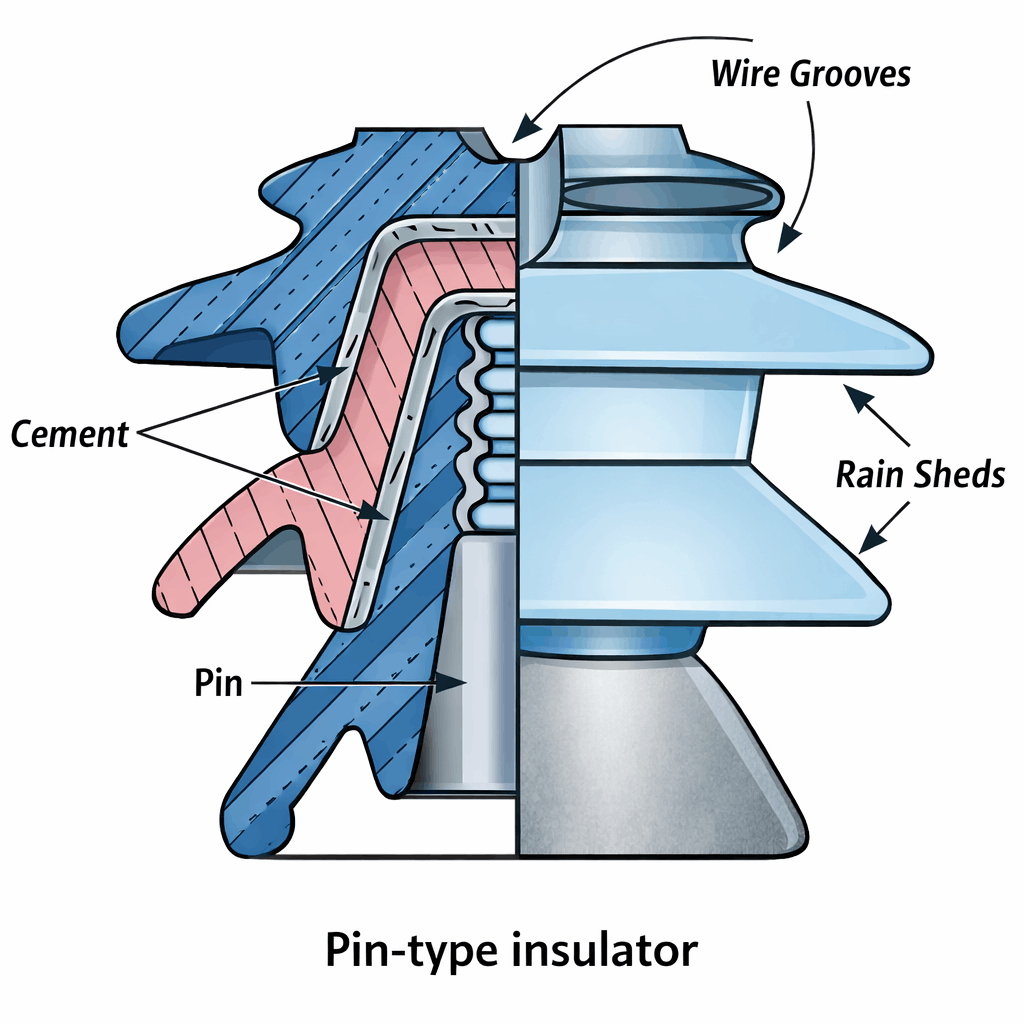
Pin type insulators are used for the transmission of lower voltages. A single pin type insulator is used to transmit voltages up to 33 kV. Pin type insulators are secured with steel or lead bolts onto transmission poles. These are typically used for straight-running transmission lines.
Voltage Range
- Used up to 33 kV
- Above 33 kV, pin insulators become bulky and uneconomical
Advantages
- Simple construction
- Low cost
- Easy installation
Disadvantages
- Limited to low and medium voltages
- Not suitable for high mechanical tension
Suspension Type Insulators
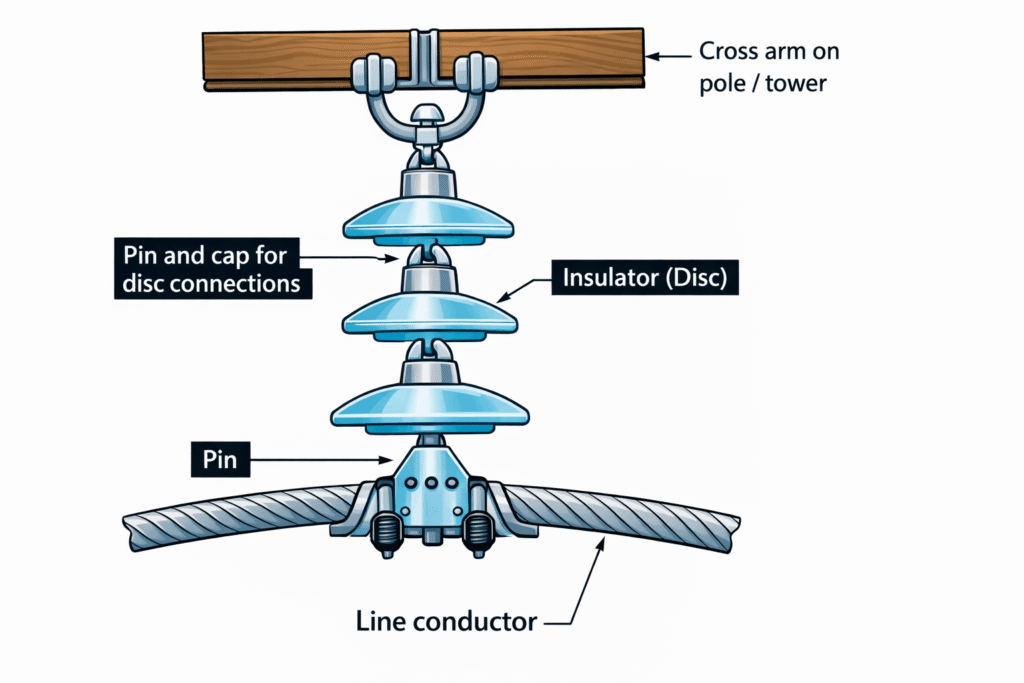
Suspension type transmission line insulators suspend and support high voltage transmission lines. They are cost effective for higher voltage transmission, typically replacing multiple pin type insulators. Suspension type insulators have a number of interconnected porcelain discs, with each individual unit designed to support a particular voltage.
Together, a system of these discs is capable of effectively supporting high voltages. There are three types of suspension insulators: cemented cap suspension insulators; interlinking or Hewlett suspension insulators; and link or core suspension insulators.
Voltage Range
- Used for high voltage (above 33 kV)
- Suitable for 66 kV, 132 kV, 220 kV, 400 kV and above
Advantages
- Voltage rating can be increased by adding more discs
- Easy replacement of damaged units
- High mechanical strength
- Suitable for very high voltages
Disadvantages
- Higher cost compared to pin type
- More maintenance required
Strain Type Insulators
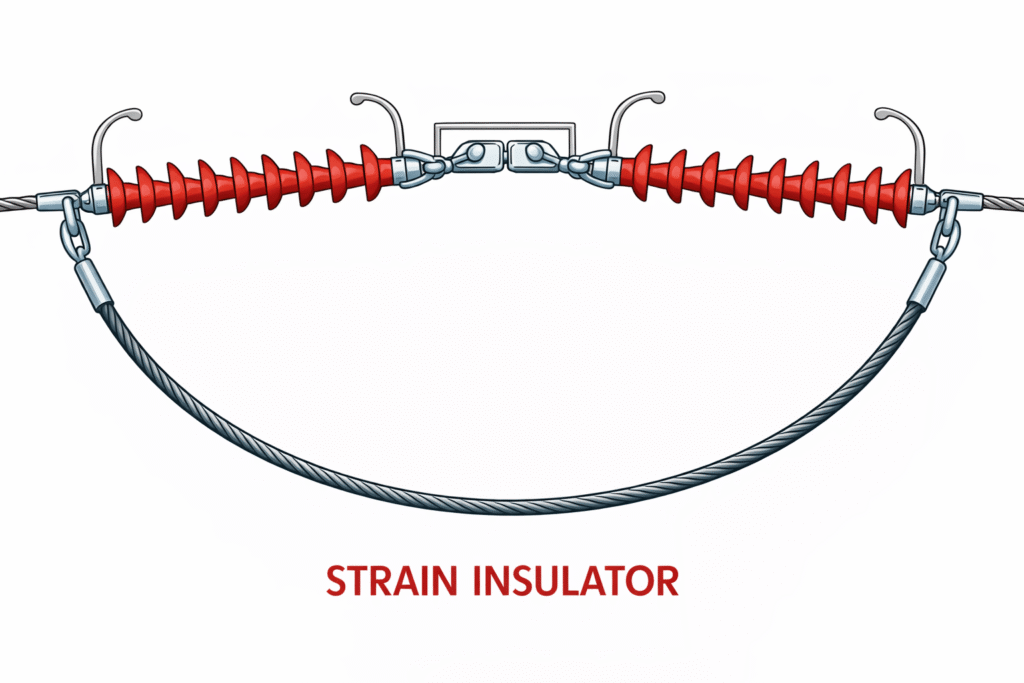
Strain type insulators are horizontally suspended suspension insulators. They are used to handle mechanical stresses and take the pressure off a conductor at the end of a transmission line, at a sharp corner or curve or over long river crossings. Strain insulators are typically used for higher voltage transmissions.
Purpose
- To withstand high mechanical tension
- To prevent conductor from pulling down the pole or tower
Advantages
- High mechanical strength
- Reliable under heavy load
Shackle Type Insulators
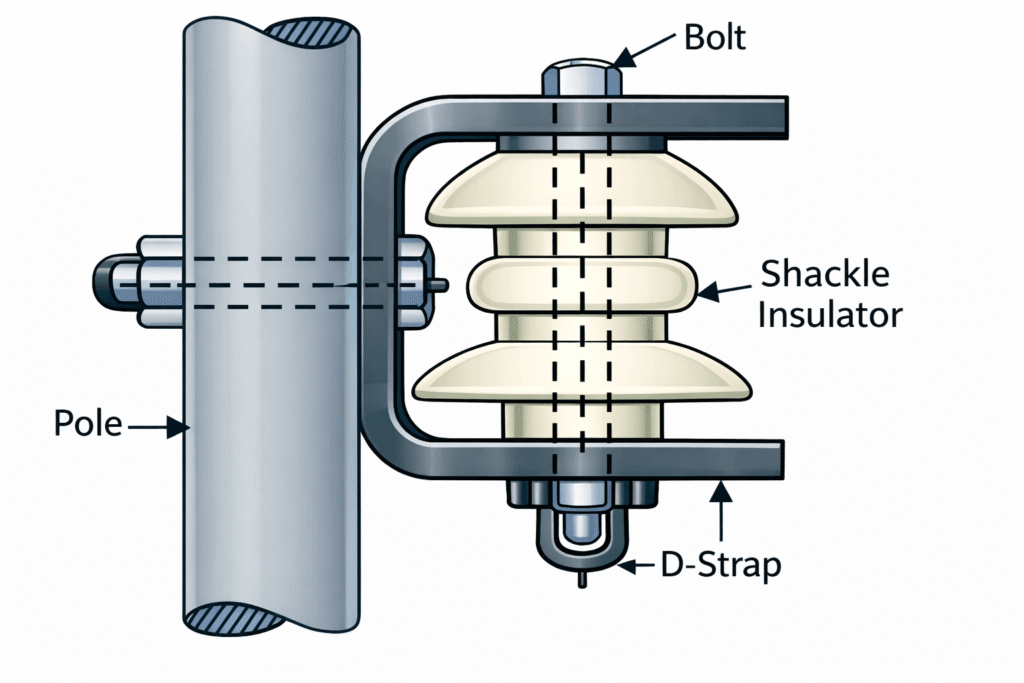
Shackle type insulators, similar to strain type insulators, are used on sharp curves, end poles and in section poles. However, unlike strain insulators, shackle insulators are designed to support lower voltages. These insulators are single, round porcelain parts that are mounted horizontally or vertically.
Voltage Range
- Used for low voltage systems (up to 11 kV)
Advantages
- Compact size
- Can be used in vertical and horizontal positions
- Low cost
Disadvantages
- Not suitable for high voltages
- Limited mechanical strength
Stay Insulators
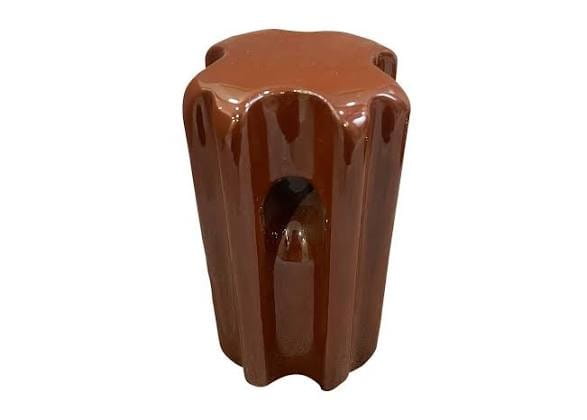
Stay insulators, also called egg insulators, are primarily used to prevent stay wires from becoming energized from accidentally broken live wires. They, therefore, function to provide insulation between stay clamps and transmission poles. Stay insulators are mounted at a height of at least 3 meters (118 inches) from ground level.
Voltage Range
Stay insulators are generally used in:
- Low voltage and medium voltage distribution systems
- Typically up to 11 kV
They are not used for very high voltage transmission lines.
Advantages of Stay Insulator
- Improves public safety
- Prevents accidental electric shock
- Simple construction
- Low cost
- Easy installation
- Reliable electrical isolation
Disadvantages of Stay Insulator
- Not suitable for high voltage systems
- Subject to mechanical stress
- Requires proper positioning and maintenance
| Type | Voltage Range | Main Use |
|---|---|---|
| Pin Insulator | Up to 33 kV | Distribution lines |
| Suspension Insulator | Above 33 kV | Transmission lines |
| Strain Insulator | All voltages | Dead ends and bends |
| Shackle Insulator | Up to 11 kV | Low voltage distribution |
| Post Insulator | Medium to high | Substations and switchyards |